
Looking After Your Nervous System
The Missing Piece of Health and Recovery by Shefali Desai (5 min read)
When people think about improving their health, they often focus on the obvious things; more exercise, better nutrition, more sleep, more mobility. All of these matter, but one area that is frequently overlooked is the nervous system — despite the fact it influences nearly everything we do.
Your nervous system plays a central role in pain, stress, recovery, your energy levels, sleep, performance, mood and focus. In modern life, many of us are operating with a nervous system that is constantly overstimulated, overloaded, and rarely given a chance to properly recover.
Looking after your nervous system is not about doing anything extreme or complicated. Often, it’s about creating enough balance, recovery, and safety for your body to function well again.
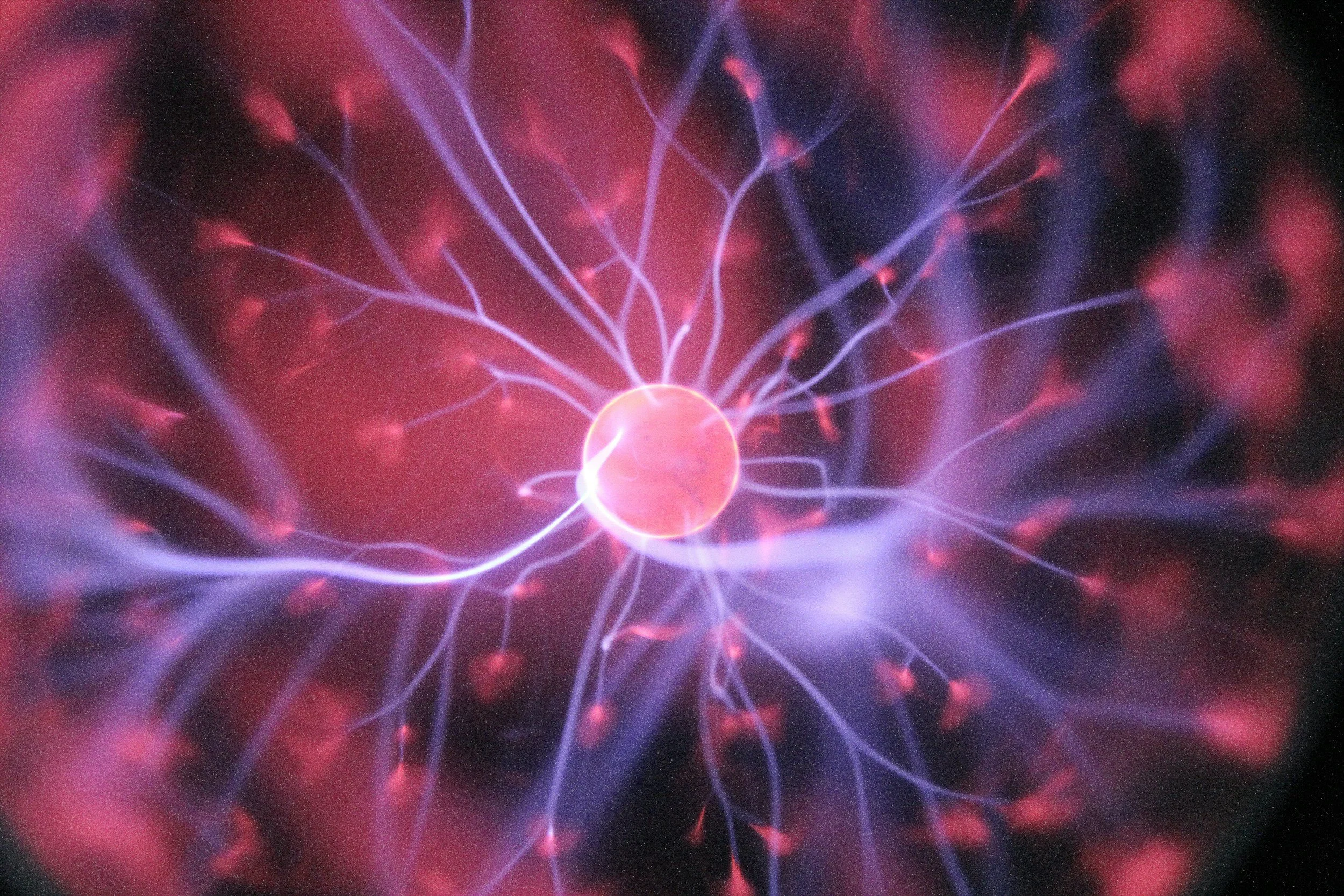
What Is the Nervous System?
Your nervous system is your body’s communication network. It constantly gathers information, interprets what is happening around you, and decides how your body should respond. One of its primary jobs is survival and protection, and the nervous system is continuously asking; Am I safe? Do I need to prepare for action? Can I recover and restore?
As Physiotherapists, we often ask our clients about their physical and mental health, and their levels of stress. When people hear the word “stress,” they often think purely about emotional stress. But your nervous system responds to many different types of stressors, including:
Poor sleep
Pain and Injury
Excessive training
Work pressure
Emotional stress
Illness
Lack of recovery
Under-fuelling
Constant stimulation from screens and notifications
Individually, these may be manageable. But when they accumulate, the nervous system can begin to stay in a more persistently heightened state. This can affect and lead to:
Poorer recovery
Higher pain sensitivity
Low energy
Poor sleep quality
Increased muscle tension
Reduction in motivation
Reduction in concentration
Modern life often keeps us in a constant state of stimulation. We move from emails, notifications, work demands, intense exercise, social media, lack of downtime and poor sleep habits without ever truly switching off. The nervous system is incredibly adaptable, but it also needs periods of recovery. Just like muscles need rest after training, your nervous system needs opportunities to downregulate and recover. Without this, many people begin to feel common symptoms of wired but tired, fatigued, irritable, overwhelmed and physically tense.
So, what are the things we advise our clients on about how to better take care of their nervous system?
Encouraging Movement
Exercise is one of the best things we can do for overall health and to regulate our nervous system. Sometimes the nervous system responds well to gentle walking, strength training, mobility work, breathing exercises and low-intensity aerobic exercise rather than constantly chasing maximal intensity. This is particularly important when someone is:
Recovering from injury
Burnt out
Poorly recovered
Highly stressed
Experiencing persistent pain
The goal is not simply to “push harder,” but to find the right balance between challenge and recovery.
2. Addressing Sleep
Sleep is one of the most powerful recovery tools and is where much of the nervous system recovery happens. Poor sleep can increase pain sensitibity, fatigue, cortisol (stress hormone) levels, irritability and reduce recovery time. Yet many people sacrifice sleep while trying to improve health elsewhere. Often, improving sleep quality has a bigger impact than adding another supplement, workout, or recovery gadget. Simple strategies include:
Consistent sleep/wake times
Reducing screen exposure before bed
Limiting caffeine late in the day
Creating a calmer evening routine
3. Regulating Your Breathing Pattern
Breathing is one of the quickest ways to influence the nervous system. When we are stressed, breathing often becomes faster, shallower and more chest-dominant. Slow, controlled breathing can help shift the body toward a calmer state. A few minutes of slow nasal breathing, longer exhales and quiet, relaxed breathing can help reduce overall nervous system load.
Remember! Recovery Is Productive
Many people feel guilty when resting, but recovery is not laziness. It is part of performance, adaptation, and health. The body grows stronger during recovery — not during stress itself. That includes muscles, tendons, the brain and the nervous system itself. Constantly pushing without adequate recovery eventually catches up with most people, whether physically or mentally.
Pain and the Nervous System
Pain is not always a simple measure of tissue damage, the nervous system plays a major role in how pain is experienced. When the nervous system becomes more sensitive, pain can feel more intense, longer lasting and easier to trigger. This does not mean symptoms are “imagined", it means the body’s protective system has become more reactive.
This is one reason why good Physiotherapy and rehabilitation often includes:
Gradual movement exposure
Strength training
Education
Sleep optimisation
Stress management
Building confidence in movement again
Final Thoughts
Looking after your nervous system is not about avoiding stress altogether or having a complete life overhaul. It’s about building enough recovery, resilience, and balance so your body can adapt well to life’s demands. Consistently doing the simple things well:
Moving regularly
Sleeping enough
Taking breaks
Fuelling your body well
Spending time outdoors
Managing training loads
Connecting with people
Your nervous system is involved in almost every aspect of your health, movement, recovery, and wellbeing. In a world that constantly encourages more productivity, more intensity, and more stimulation, learning how to slow down and recover is becoming increasingly important.
If any of this resonates with you, or you are struggling with persistent pain, please don't hesitate to reach out to us and we can support you towards optimisation of your nervous system and better control of both your physical and mental wellbeing.